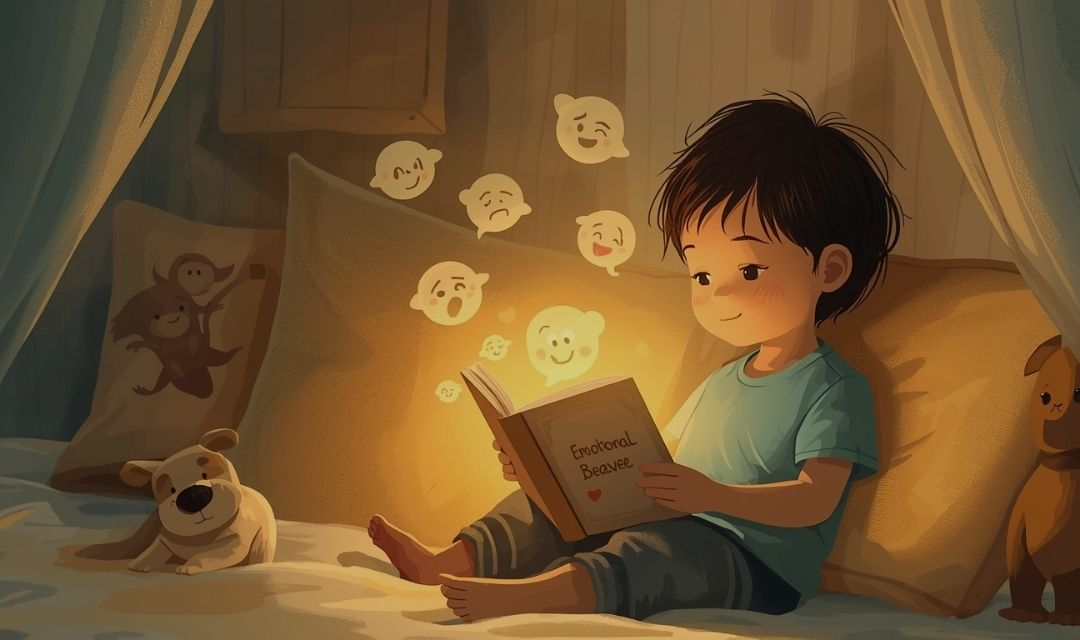
There are unique ways our children learn about the world: some gather knowledge through experience, while others are taught about human emotions through storytelling. When they read about characters facing fears, navigating big emotions, or discovering inner courage, they begin to understand bravery in a safe and relatable way. Reading about feelings gives kids the language and confidence to express what’s happening inside them, while also showing them that they’re not alone. And these are emotions and feelings that are normal and unanimous by all.
Reading books offers a gentle yet powerful path into emotional exploration. Something especially important as children grow and encounter new challenges. Whether at home or in the classroom, stories help children see bravery as more than being tough. It’s recognizing emotions, working through them, and learning how to act with confidence. When kids meet emotionally strong characters, they begin building their own resilience, one story at a time.
How Books Teach Emotional Strength:
Stories, characters, and world-building play a vital role in shaping young children’s imaginations. When a story shows a character feeling worried, unsure, excited, or brave, kids learn to connect these emotions with real-life situations. This emotional modeling is crucial for emotional growth because it teaches kids that feelings aren’t obstacles; rather, they’re signals that help them understand their world.
However, it is important to understand that when they try and learn through hands-on experiences, there are chances of getting them hurt both emotionally and physically. On the other hand, books also provide a safe distance. Kids can observe challenges without being directly involved, which helps them explore bravery without pressure.
They witness characters asking for help, trying new things, making mistakes, and managing fear, experiences that mirror their own. As a result, their understanding of courage becomes richer and more realistic.
Many SEL stories are intentionally written to support this kind of learning. They introduce coping tools, positive self-talk, and problem-solving strategies in ways kids can easily grasp. Over time, children begin to apply these lessons to their own experiences. Helping them to learn through the prism of the writer and allowing them to comprehend emotions while reading those stories.
Through stories, children discover that bravery isn’t about eliminating fear. It’s about recognizing emotions and choosing thoughtful actions. This shift helps build kids’ resilience, giving them the emotional strength they need to navigate everyday challenges.
Books That Build Bravery:
If you are among the parents, educators, or siblings looking for books that build bravery. We have a short list that guides you towards building the right kind of emotions in your kids.
Bailey Braves New Beginnings by Jessie Brockel
This heartfelt book introduces Bailey Braves New Beginnings by Jessie Brockel, a character who faces new experiences with a mix of nerves and determination. Children relate instantly to Bailey’s worries: new places, unfamiliar people, and the uncertainty that comes with change. What makes this story powerful is the way Bailey learns to navigate these emotions with curiosity and courage.
The book guides children through gentle, therapeutic readings about feelings, helping them understand that bravery is not the absence of fear but the willingness to try anyway. It encourages emotional awareness, self-reflection, and open communication, making it one of the strongest benefits of emotional books written for young readers.
The Color Monster by Anna Llenas:
Another important yet popular SEL classic, which helps children categorize and name emotions through a visually engaging story. When the Color Monster’s feelings get mixed up, a friend helps him sort them into colors. Kids learn that emotions can feel “jumbled,” but with understanding, they can regain control. This book promotes emotional growth by providing kids with a simple framework for recognizing and discussing their feelings.
Brave Irene by William Steig:
When it comes to building a list of the best SEL books, there are some names that we simply can’t afford to ignore, and such is Brave Irene. A timeless tale of determination, Irene sets out in a fierce snowstorm to deliver a gown for the duchess. Although the journey is filled with obstacles, her perseverance teaches children that facing difficulties can help them discover their inner strength. This beautifully written story inspires genuine bravery in kids, showing that courage shows up in ordinary acts of trying.
When You Are Brave by Pat Zietlow Miller
This uplifting story encourages children to trust their inner light in the face of scary or uncertain moments. The book reinforces the message that kids can tap into courage even when things feel overwhelming. It’s an excellent example of how SEL stories support kids’ resilience, giving children positive messages they can carry into challenges.
These are some of the titles that must be included in your list when you want to yield maximum benefits of emotional books. They teach kids to name feelings, face fears, and build confidence. When children read about characters overcoming emotional obstacles, they begin to believe they can do the same.
The Psychology Behind Brave Reading
There has been a great deal of research on developing stories for young learners, and some of the results reflect the impact they have on young minds. When kids readabout feelings, they activate parts of the brain involved in empathy, self-awareness, and emotional regulation. Stories don’t just entertain; they strengthen neural pathways that support resilience.
From a psychological standpoint, bravery develops when children repeatedly practice three skills:
- Identifying emotions
- Understanding emotional triggers
- Choosing healthy responses
Books naturally integrate these elements. When children witness a character’s internal struggle, they begin to reflect on their own feelings. This encourages emotional intelligence. a critical foundation for kids’ resilience.
Tips for Parents:
Many of us, as parents, are always inclined to choose books that foster learning and increase knowledge. But there is more to it. They act as a powerful tool in helping children build courage and bravery. Here is how you could make the simple reading time more impactful for your kids.
- Choose diverse emotional books.
Select stories that show characters dealing with fear, excitement, disappointment, and bravery. This exposes kids to a range of emotional experiences.
- Pause and talk during reading.
Ask questions like: “What do you think the character feels?” and “What would you do?” This strengthens both understanding and emotional growth.
- Model bravery at home.
Share your own stories about facing challenges. Kids learn from watching you navigate emotions with confidence.
- Reread favorites.
Children absorb deeper lessons with repetition. Familiar SEL stories build comfort and courage over time.
- Celebrate emotional wins.
Praise moments when your child recognizes a feeling, asks for help, or tries something new. These small steps build long-term bravery in kids.
With consistent reading and conversations, parents can nurture emotional intelligence and help children discover their inner strength.
Reading about feelings gives children a safe, meaningful way to explore bravery long before they face life’s bigger challenges. Through stories, kids learn that emotions are normal, manageable, and even helpful. They begin to see that courage isn’t about being fearless, and it’s about understanding feelings and choosing positive actions despite uncertainty. Books that highlight emotional journeys offer some of the strongest foundations for kids’ resilience, helping them grow into confident, empathetic, and emotionally aware individuals.